New speed restrictions, imposed without notice remotely by code, contributed to multiple mission failures for Ukraine
Oct 16, 2026
Albania's capital Tirana has seen months of protests from an anti-government "Flamingo" movement, but what started on Tuesday this week was on a different scale.
The BBC sees masked settlers attack Palestinians trying to harvest olives, amid a surge in similar incidents.
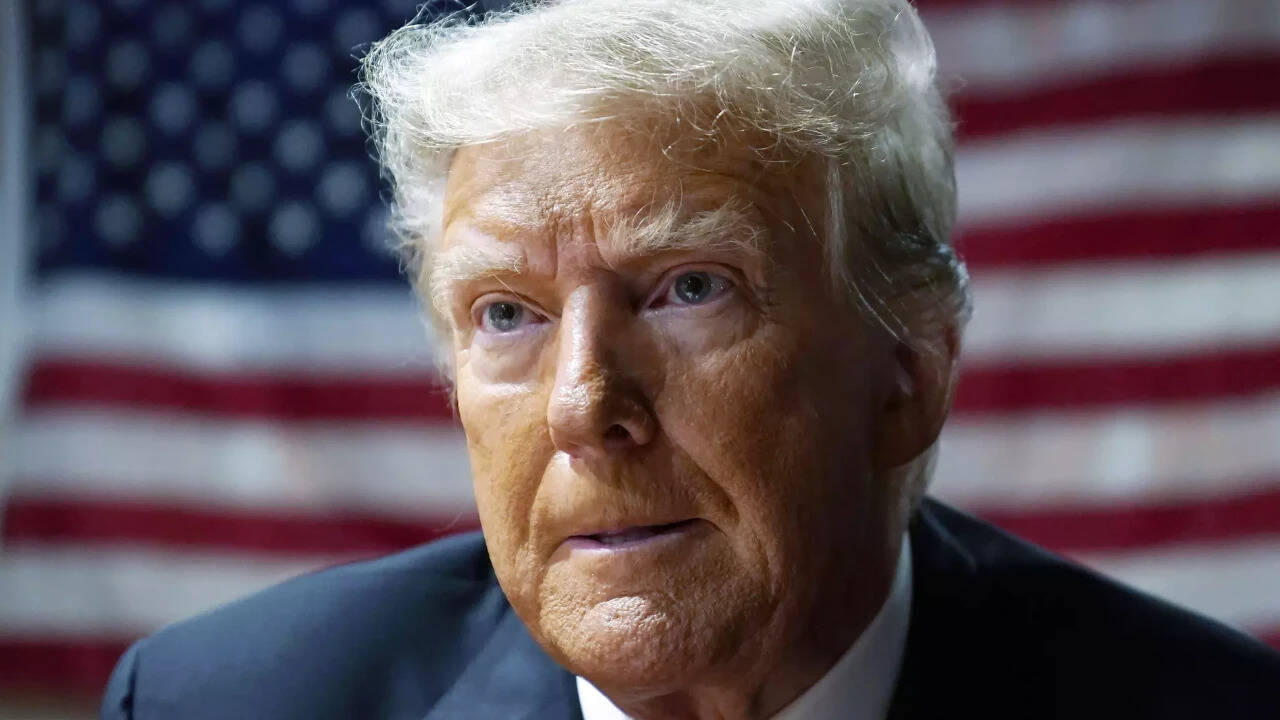
Donald Trump indicated that the US may target Iran's Pickaxe Mountain facility to deter nuclear weapon development. He stated that nuclear weapons would not be necessary for achieving US objectives in the situation. The remarks followed ongoing US-Israeli strikes against Iran since February, amid rising tensions. Iran's foreign ministry denied any nuclear activity at the site, labeling US threats as baseless.
Joshua Foster "lost control" of his son while showing him the view of a water park from a window.
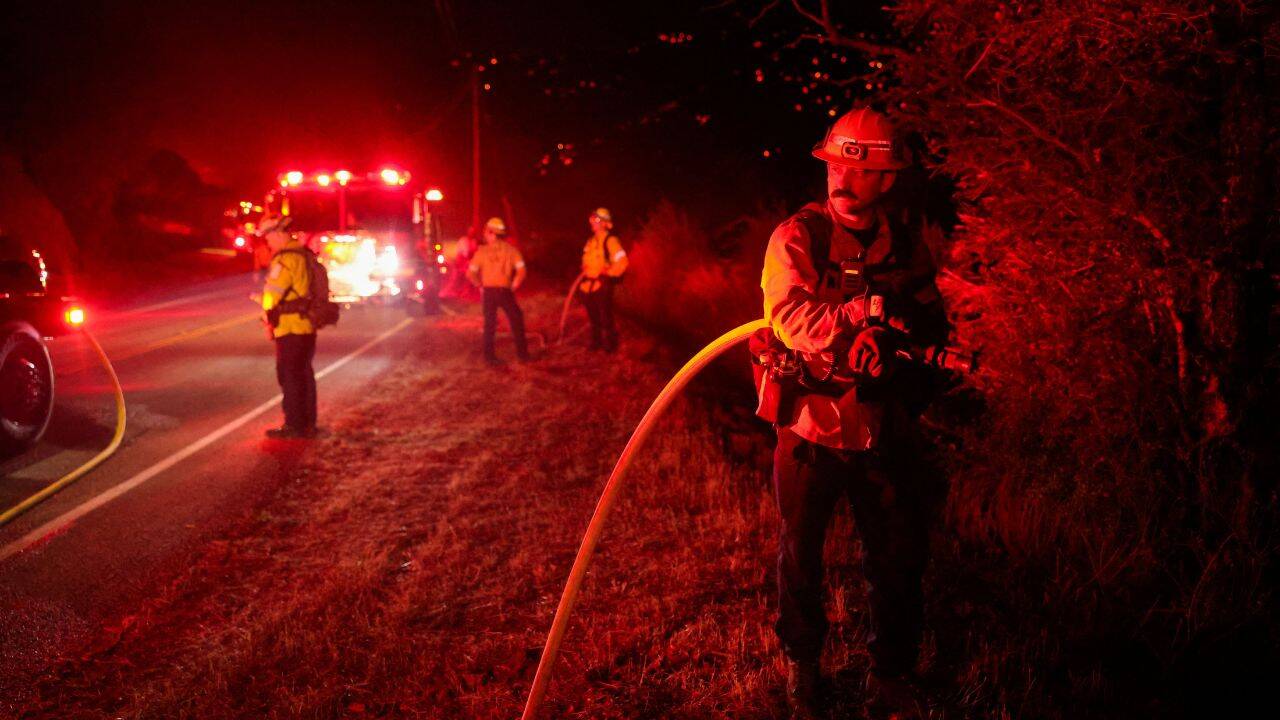
Ukraine says temporary speed limits to the Starlink internet network disrupted its battlefield missions.
WASHINGTON — Two U.S. senators have introduced bipartisan legislation seeking to reaffirm Washington's "ironclad" extended nuclear deterrence commitments to South Korea and other treaty allies, amid growing nuclear threats from North Korea, China and Russia. The Reaffirming Extended Nuclear Deterrence Act, introduced by Sen. Mark Kelly (D-AZ) late last month and cosponsored by Sen. Thom Tillis (R-NC), calls for maintaining a credible U.S. nuclear deterrent supported by conventional military capabilities, joint exercises and strategic consultations with allies. The bill states that United States should "reaffirm that its extended deterrence commitments to its treaty allies remain ironclad" and ensure that its military posture, exercises, strategic consultations and defense investments demonstrate The legislation specifically identifies South Korea, Japan, Australia and members of the North Atlantic Treaty Organization (NATO) as allies whose security directly advances U.S. national security interests, while highlighting growing nuclear threats from North Korea, China and Russia. It also
WASHINGTON — Winter in the United States looks like it will generally be wetter and warmer, but not necessarily snowier, according to the federal government's official seasonal outlook and other meteorologists' forecasts. You can thank or blame El Niño. El Niño is likely to shift weather patterns to bring more moisture but with it higher temperatures. That should help erase persistent western drought, but it won't likely make northern snow-lovers happy, the National Oceanic and Atmospheric Administration said Thursday. Even though the weather service doesn't make seasonal snowfall predictions, their meteorologists said much of the northern parts of the country — including the Northeast, Great Lakes, Upper Midwest and Northern Rockies — should expect below normal snow, while the Southern Rockies, parts of the southeast and Southwest may get more than they usually do. The northern snow shrinkage is also predicted by private meteorology firms, with Salt Lake City the only big metro area where AccuWeather is forecasting above normal winter snow amounts. Chicago, Boston, New York and
PESHAWAR, Pakistan — The roof of a private school collapsed in the northwestern Pakistani city of Peshawar on Thursday, killing at least 34 children and a teacher and injuring more than 50 other people in the deadliest building collapse ever in the country, authorities and a hospital official said. The children killed or injured at Al-Khair school were between 6 and 12 years old, while the oldest was 14, Lady Reading Hospital spokesperson Mohammad Asim said. Some of the injured were in critical condition, he said. The hospital declared an emergency as medical staff treated the wounded. Hours after the collapse in Peshawar, the capital of Khyber Pakhtunkhwa province, emergency services spokesperson Bilal Faizi said that everyone trapped beneath the rubble had been pulled out and crews had cleared debris. He told The Associated Press that the roofs of two classrooms collapsed when second- and third-grade children were in them with their teachers. Faizi said ambulances and disaster management personnel arrived from a nearby facility within five minutes of being alerted. Nearly 100 rescuer
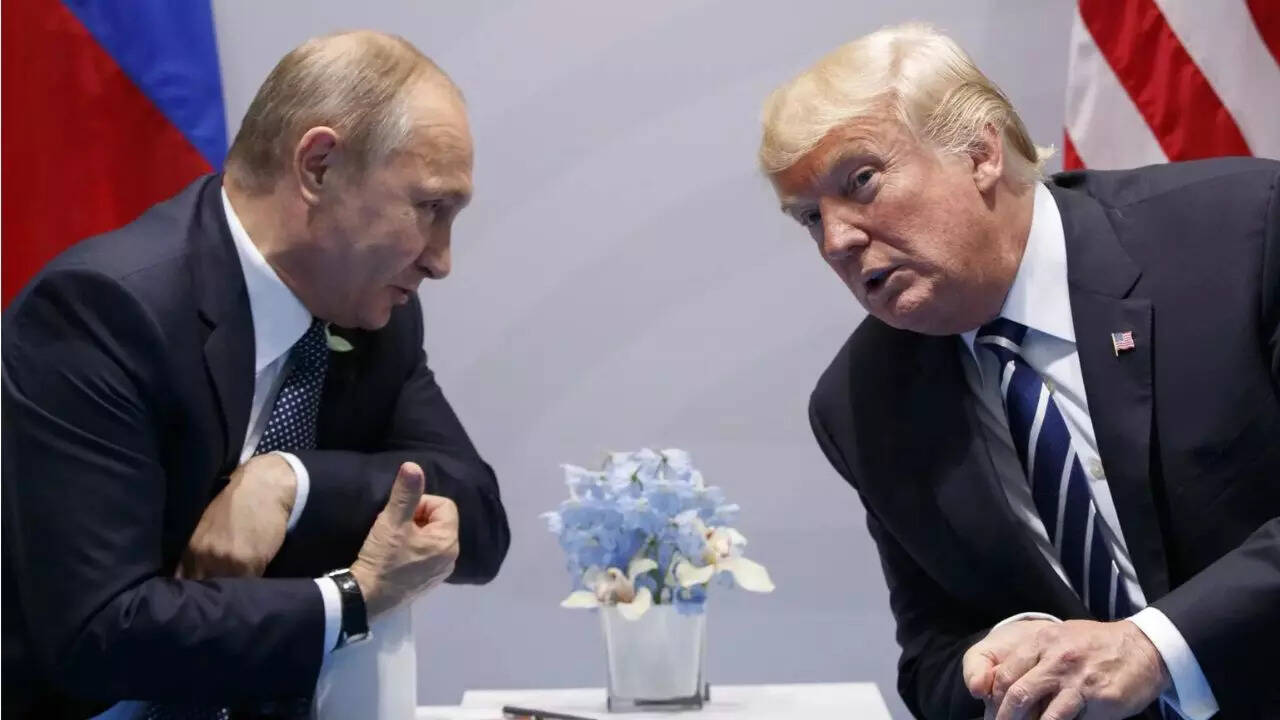
KYIV, Ukraine — Ukraine attacked a Russian oil refinery Thursday, abandoning a brief truce involving energy-related targets that it said Moscow did not heed, as Ukrainian President Volodymyr Zelenskyy said he felt betrayed by U.S. President Donald Trump. The drone strike started a fire at the refinery about 300 kilometers (180 miles) southeast of Moscow in Russia’s Ryazan region, according to the Russian Defense Ministry and Ryazan Gov. Pavel Malkov. Russia’s Astra online news outlet posted what it said was a photograph of the blaze. The strike could further complicate Kyiv’s relations with Trump, which have soured again in recent days amid deepening tensions with Washington. Zelenskyy said he was outraged by Russia’s continuing aerial bombardment of his country’s energy infrastructure in apparent defiance of Trump’s demand on Sunday for both sides to halt those attacks. Despite going along with Trump’s demand for a truce, Zelenskyy complained, Ukraine in recent days was denied the usual Western intelligence on Russian ballistic missile strikes, and limits were placed on
LONDON — Houthi militants who control northwestern Yemen have in the past week attacked Riyadh international airport and hit the headquarters of Saudi Aramco, the world's largest oil company, in air assaults that have laid bare Saudi Arabia's vulnerability to threats from its enemy next door. The attacks are shattering the illusion of Saudi Arabia as a safe international investment hub as it tries to attract foreign money and diversify away from oil. This nightmare scenario for a key U.S. ally in the Gulf has been years in the making, weapons and regional experts say. They attribute Saudi Arabia's vulnerability to a ragtag group of Yemeni fighters to a perfect storm of factors that include Tehran helping the Houthis reach near self-sufficiency in producing and deploying advanced weapons, and the impact of the U.S. war on Iran that has depleted stocks of interceptors. Training to self-sufficiency by Iran Iran has been giving weapons, money and training to the Houthis, known formally as Ansar Allah, for more than a decade, although Tehran has officially denied arming the Houthis in violat
LONDON — Asian stocks plunged and the sell-off in tech stocks continued on Wall Street on Thursday as investors worried that forecast-topping U.S. inflation data would force the Federal Reserve to raise interest rates again. "A glance across major U.S. equities this morning shows that the tech sell-off is still in progress," said market analyst David Morrison at Trade Nation. "Once again, chip stocks are in the forefront of the current round of derisking," he added. Shares in AI chip giant Nvidia shed 2.2 percent. Those in rivals AMD and Marvell were both down around four percent in late morning New York trading. Shares in AI data centre infrastructure company CoreWeave fell 3.6 percent after plunging 15.5 percent on Wednesday. The company is a big client of Nvidia chips and Nvidia is a major shareholder. The Nasdaq Composite, which has the heaviest exposure to tech stocks, shed 0.3 percent. The blue-chip Dow rose, however. "Rotation out of highly speculative AI infrastructure into established sectors helped the Dow gain over half a percentage point," said IG analyst Axel Rudolph. European s