
Rubber Track Tread Patterns: Matching Track Design to Jobsite Conditions
Oct 27, 2026
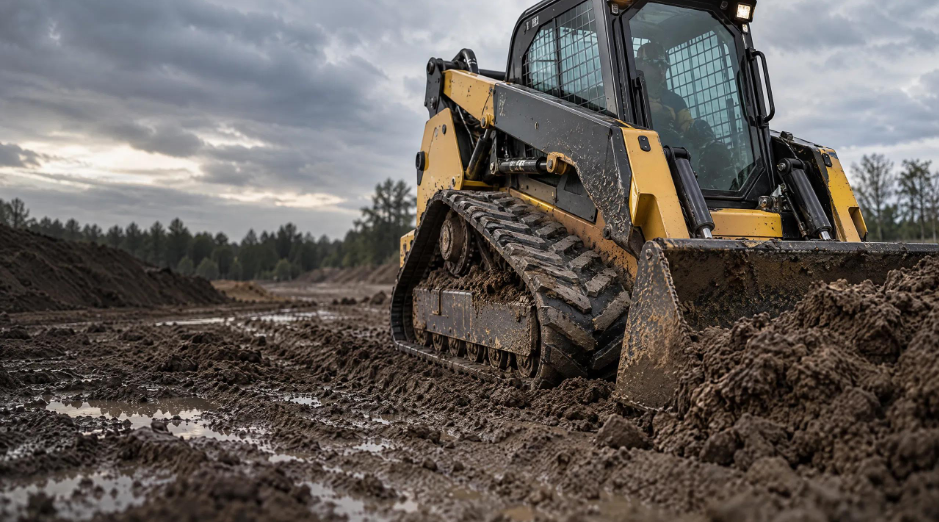
Changzhou, Jiangsu Oct 26, 2026 (Issuewire.com) - When buyers compare rubber tracks, it is tempting to focus on price, dimensions and expected service life. Those factors matter, but the tread pattern deserves equal attention. The right design can help a machine move predictably across its working surface; the wrong one may increase ground disturbance, reduce grip or wear faster than expected.
In this guide, we explain how to assess a rubber track tread pattern against the conditions a machine actually encounters. We focus on practical considerations for fleet managers, equipment dealers, rental businesses and procurement teams. No single tread is best for every application: the appropriate choice depends on the surface, machine, workload and operating practices.
Why tread design matters
A track's tread is the part that meets the ground. Its shape and arrangement influence how the machine grips, turns and distributes contact across the surface. Tread design can also affect vibration, noise and the degree of marking left behind. These effects interact with other factors, including track compound, machine weight, undercarriage condition and operator technique.
For buyers, the key question is not simply, "Which pattern has the most aggressive lugs?" It is, "Which pattern offers suitable traction without creating unacceptable wear, surface damage or operating compromises in our conditions?"
We recommend starting with a realistic profile of the jobsite. Note whether the machine works mainly on firm ground, loose soil, mud, gravel, finished surfaces or a mix. Consider how often it turns, travels over debris or operates on slopes. If the machine moves between very different surfaces, the best selection may be a compromise rather than a pattern optimized for only one.
Match common patterns to the surface
Bar-style or agricultural-style treads are commonly considered for loose soil and muddy conditions. Their more pronounced lug geometry can help the track engage soft ground. However, an aggressive pattern is not automatically suitable for every site. On finished surfaces or compact ground, it may cause more marking or vibration than a lower-profile design.
Block-style patterns may suit applications that require a balance across mixed or relatively firm surfaces. Their contact layout can provide consistent performance for machines that move between different tasks. Procurement teams should confirm the pattern's intended application with the supplier and assess whether it aligns with the machine's typical routes and turning requirements.
Multi-bar or directional patterns are designed with particular lug arrangements that may favor travel in certain conditions. Buyers should check whether the intended direction of installation matters and follow the manufacturer's instructions. Incorrect installation or mismatched track specifications can undermine performance regardless of tread design.
These descriptions are general guidance, not a substitute for application-specific advice. Manufacturers may use different names for similar-looking patterns, and the same pattern can behave differently depending on its dimensions, rubber compound and machine.
Consider the machine and undercarriage
Tread selection should be made alongside a review of machine compatibility. For skid steer tracks, buyers should verify the track dimensions, pitch, guide system and fitment requirements for the exact make and model. A pattern that appears appropriate for the job can still be the wrong purchase if it is not compatible with the machine or undercarriage.
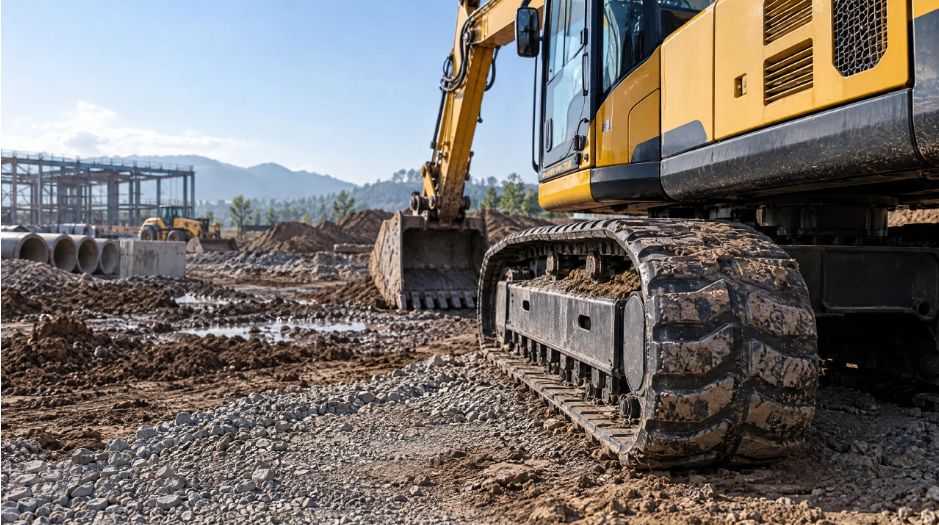
The same principle applies to excavator rubber tracks. Excavators may spend long periods traveling on varied ground, tracking over site debris or repositioning while working. Buyers should consider the machine's operating weight, expected duty cycle and the surfaces it must cross, then confirm specifications with the equipment or track supplier. Tread pattern alone cannot compensate for an incorrect size or poorly maintained undercarriage.
We also advise buyers to investigate the causes of premature wear before replacing tracks. Misalignment, worn components, excessive tension, debris buildup and operating habits can contribute to damage. If a previous set failed early, changing the tread without diagnosing the underlying issue may simply repeat the problem.
Balance traction, ground protection and total cost
Rubber track traction is only one part of operating value. A design that grips well in soft ground may be less suitable for sensitive landscaping, paved areas or indoor work. Conversely, a lower-profile pattern that limits marking may not provide the desired performance in deep mud or loose material.
For construction site tracks, buyers should assess the full route, not just the primary work area. Machines may travel from a rough excavation zone onto compacted access roads or finished pavement. Ask suppliers which surfaces and applications a pattern is intended for, what warranty terms apply and which maintenance practices they recommend. Where possible, compare tracks under representative working conditions rather than relying only on appearance or a single performance claim.
Total cost of ownership should include expected service life, downtime, replacement logistics and the consequences of surface damage. A lower purchase price may not represent better value if the track is poorly matched to the workload. At the same time, a premium or highly specialized design is not automatically economical if the machine rarely operates in the conditions it was designed for.
A practical purchasing checklist
Before placing an order, procurement teams can:
Record the machine make, model and required track specifications.
Describe the main surfaces, weather conditions and travel routes.
Identify whether ground marking, vibration or noise is a concern.
Review previous wear patterns and inspect undercarriage components.
Ask the supplier to confirm the intended application and installation guidance.
Compare warranty coverage, lead times and replacement availability.
Keep maintenance and inspection records after installation.
A clear application profile helps suppliers recommend a suitable option and helps buyers compare quotations on a consistent basis. We encourage buyers to share both the machine details and the actual working conditions, rather than requesting a tread recommendation in isolation.
Conclusion
Choosing a tread pattern is an application decision, not a styling choice. The most effective selection is the one that fits the machine, the surface and the work cycle while meeting the buyer's requirements for traction, ground protection and operating cost. By documenting jobsite conditions, checking compatibility and investigating wear causes, purchasing teams can make a more informed decision and reduce the risk of buying a track that does not suit the job.
Frequently Asked Questions
- Which rubber track tread pattern is best for muddy ground?
A more pronounced lug pattern is often considered for soft or muddy surfaces, but suitability depends on the machine, soil and operating conditions. Confirm the intended application with the supplier.
- Can one tread pattern handle multiple jobsite surfaces?
Some patterns are designed for mixed conditions, but every design involves trade-offs. Buyers should prioritize the surfaces and tasks the machine encounters most often.
- Do skid steer tracks and excavator rubber tracks use the same tread options?
Both machine types may be available with different tread designs, but their track dimensions and fitment requirements vary. Always confirm the exact specification for the machine model.
- Does a more aggressive tread always provide better rubber track traction?
No. Traction depends on the interaction between the tread, surface, rubber compound, machine and operating technique. Aggressive lugs may also increase marking or vibration on some surfaces.
- What should I check if a new track wears out quickly?
Inspect the undercarriage, track tension and alignment, and look for debris buildup or operating conditions that may accelerate wear. Ask a qualified equipment or track professional to assess the cause before selecting a replacement.
Source :Gator Track Co., Ltd.
This article was originally published by IssueWire. Read the original article here.
More News












Recommended









Jay-Z to perform at Super Bowl half-time show
YOUR NEWS, OUR NETWORK.
Do you have Great News you want to tell the world?
Be it updates about your business or your community, you can make sure that it’s heard by submitting your story to our network reaching hundreds of news sites across 6 verticals.