
CIIF 2026 to Spotlight Industrial Robots, Smart Logistics and Emerging Applications in Shanghai
Oct 5, 2026
China International Industry Fair (CIIF) 2026 will bring robotics buyers, engineers and developers together at the National Exhibition and Convention Center (Shanghai) from 12–16 October 2026. Its Robotics Show will present industrial and collaborative robots, mobile robotics, machine vision, core components and integrated applications alongside
Shanghai, China, October 5, 2026 -- CIIF 2026 to Spotlight Industrial Robots, Smart Logistics and Emerging Applications in Shanghai
Robotics Show will connect application discussions with industrial automation, machine tools and intelligent manufacturing across the 12–16 October exhibition.
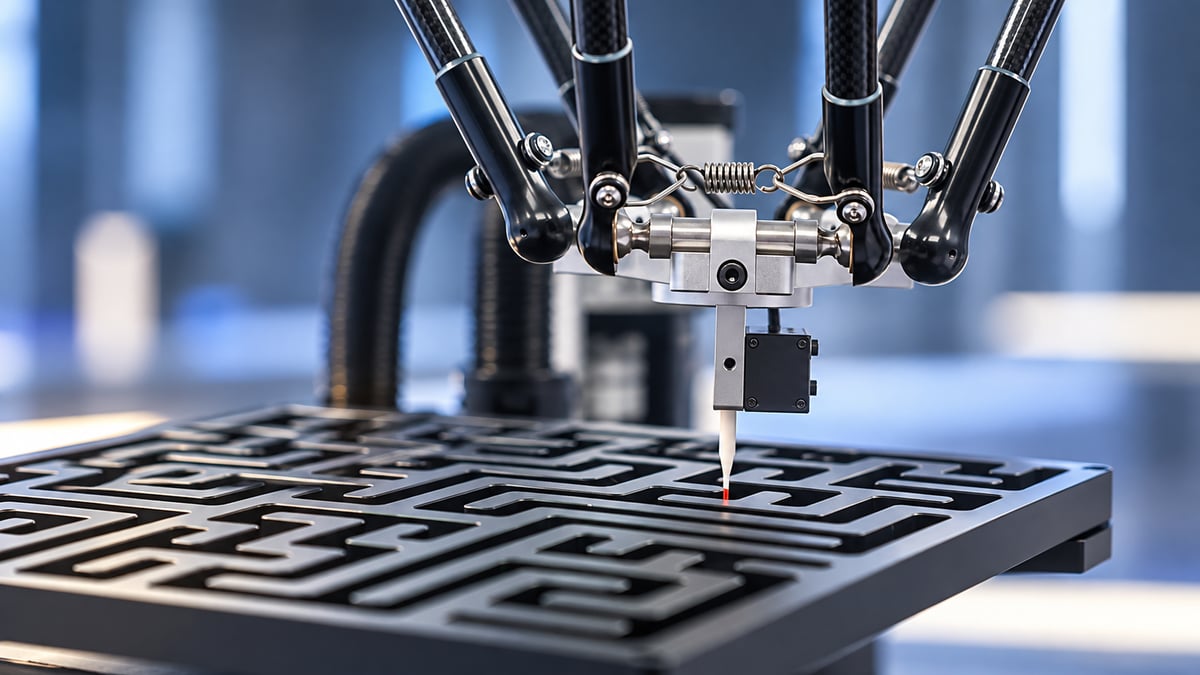
SHANGHAI, 3 October 2026 — China International Industry Fair (CIIF) will bring robotics buyers, engineers and developers together at the National Exhibition and Convention Center (Shanghai) from 12–16 October 2026. Its Robotics Show (RS), a specialist theme show within CIIF, will present industrial and collaborative robots, mobile robotics, machine vision, core components and integrated applications in the context of a wider manufacturing exhibition.
The 26th CIIF will comprise ten theme shows. For visitors assessing a robot deployment, this structure offers a way to look beyond the machine itself: an industrial cell may also require tooling, production equipment, controls, safety measures and data integration. RS can serve as the robotics starting point, while CIIF’s Industrial Automation Show and Metalworking and CNC Machine Tool Show extend the discussion to systems and processes around the robot.
Industrial robotics begins with the production task
Manufacturers considering machine tending, welding, assembly or inspection can use CIIF 2026 to compare the requirements of a complete application. A robot arm’s reach and payload are only part of the decision. Workpiece variation, gripping, fixtures, line interfaces, changeovers and recovery from faults determine whether a proposed solution can fit an operating plant.
RS covers industrial and collaborative robots, machine vision, robot components and industry-specific integrated solutions. The adjacent Industrial Automation Show provides a setting for discussions about controls and system coordination. For a robot serving a machining or metalworking operation, the Metalworking and CNC Machine Tool Show adds the underlying production process and equipment to the same visit.
This cross-show route is relevant to engineering, operations and procurement teams working on one project from different perspectives. Engineering can examine technical interfaces, operations can discuss throughput and maintenance, and procurement can investigate supplier scope and support. An application brief with part dimensions, cycle-time targets and existing equipment details can make those conversations more productive.
Smart logistics and emerging robotics widen the application view
RS’s published exhibit scope also includes mobile robots and smart logistics solutions, including material-handling and warehouse applications. Visitors evaluating internal transport can ask how a system will manage pickup and drop-off, traffic, charging and handoffs to conveyors or production equipment. These questions connect a mobile robot to the factory flow it is meant to improve.
CIIF’s 2026 robotics plans also include further development of the Humanoid Robotics Zone and the Intelligent Elderly Care Service Robotics Zone. These areas broaden the discussion from established industrial deployments to developing forms of robotics and service applications. For R&D teams, the key distinction is between a controlled demonstration, a pilot and a system validated for routine operation. The exhibition provides a place to investigate that progression and identify potential technology or application partners.
CIIF’s Scientific & Technological Innovation Show and other theme shows add further routes into research, components and industrial use cases. Visitors can use the wider exhibition to ask not only what a robot can demonstrate, but also which materials, control systems, software and production requirements would shape a real deployment.
CIIF in the 2026 and 2027 robotics exhibition calendar
Application needs also shape which trade show a team should attend. PACK EXPO International, scheduled for 18–21 October 2026 in Chicago, focuses on packaging and processing workflows, including end-of-line automation. FABTECH, scheduled for 21–23 October 2026 in Las Vegas, is oriented toward metal forming, fabrication and welding. In 2027, Automate is scheduled for 10–13 May in Las Vegas, and automatica for 22–25 June in Munich, offering broader robotics and automation comparisons in their respective markets.
CIIF’s October 2026 edition gives teams a near-term opportunity in Shanghai to connect robotics with multiple manufacturing disciplines on one platform. The different exhibitions address distinct processes and markets; visitors can make a stronger choice by starting with the task they need to solve and the technical or commercial decision they need to make.
Completed-edition results provide context for CIIF’s established platform. According to the CIIF 2025 After Show Report, last year’s exhibition hosted 3,011 exhibitors from 27 countries and regions and welcomed 186,290 individual trade visitors from 133 countries and regions. Those are 2025 results, separate from the forthcoming 2026 edition.
Plan the visit around evidence
A productive robotics visit should start with a defined use case. Buyers can bring representative product information, operating constraints, performance targets and a list of equipment interfaces. At a demonstration, useful questions include what conditions were tested, which parts of the cell are included, who is responsible for integration and what evidence can be provided for a comparable application.
For an emerging system, visitors should also ask what has been validated outside the demonstration environment. For a production-ready proposal, they should examine commissioning, training, maintenance and local support alongside equipment specifications. These conversations help teams turn exhibition discovery into a more rigorous supplier or research shortlist.
Further information about CIIF 2026, its Robotics Show and official visitor services is available through the CIIF website and the Robotics Show page.
About China International Industry Fair
Established in 1999, China International Industry Fair is an industrial exhibition held in Shanghai. It brings exhibition, trade, awards and forums together across specialist themes covering manufacturing equipment, industrial automation, robotics, intelligent manufacturing and related sectors. CIIF 2026 is scheduled for 12–16 October at the National Exhibition and Convention Center (Shanghai).
Media Contact
Company Name: China International Industry Fair
Contact Person: Nancy Xu
Email: [email protected]
State: Shanghai
Country: China
Website: https://www.ciif-expo.com/homeEn
Contact Info:
Name: Nancy Xu
Email: Send Email
Organization: China International Industry Fair
Website: https://www.ciif-expo.com/homeEn
Release ID: 89205231
If there are any errors, inconsistencies, or queries arising from the content contained within this press release that require attention or if you need assistance with a press release takedown, we kindly request that you inform us immediately by contacting [email protected] (it is important to note that this email is the authorized channel for such matters, sending multiple emails to multiple addresses does not necessarily help expedite your request). Our reliable team will be available to promptly respond within 8 hours, taking proactive measures to rectify any identified issues or providing guidance on the removal process. Ensuring accurate and dependable information is our top priority.
More News












Recommended










YOUR NEWS, OUR NETWORK.
Do you have Great News you want to tell the world?
Be it updates about your business or your community, you can make sure that it’s heard by submitting your story to our network reaching hundreds of news sites across 6 verticals.