
Most Recent
France on edge as curfews imposed to curb rioting and looting
Two large sections of central Paris were shut down in a curfew Monday night as France was reeling from a weekend of nationwide rioting and looting that left much of the country shaken.
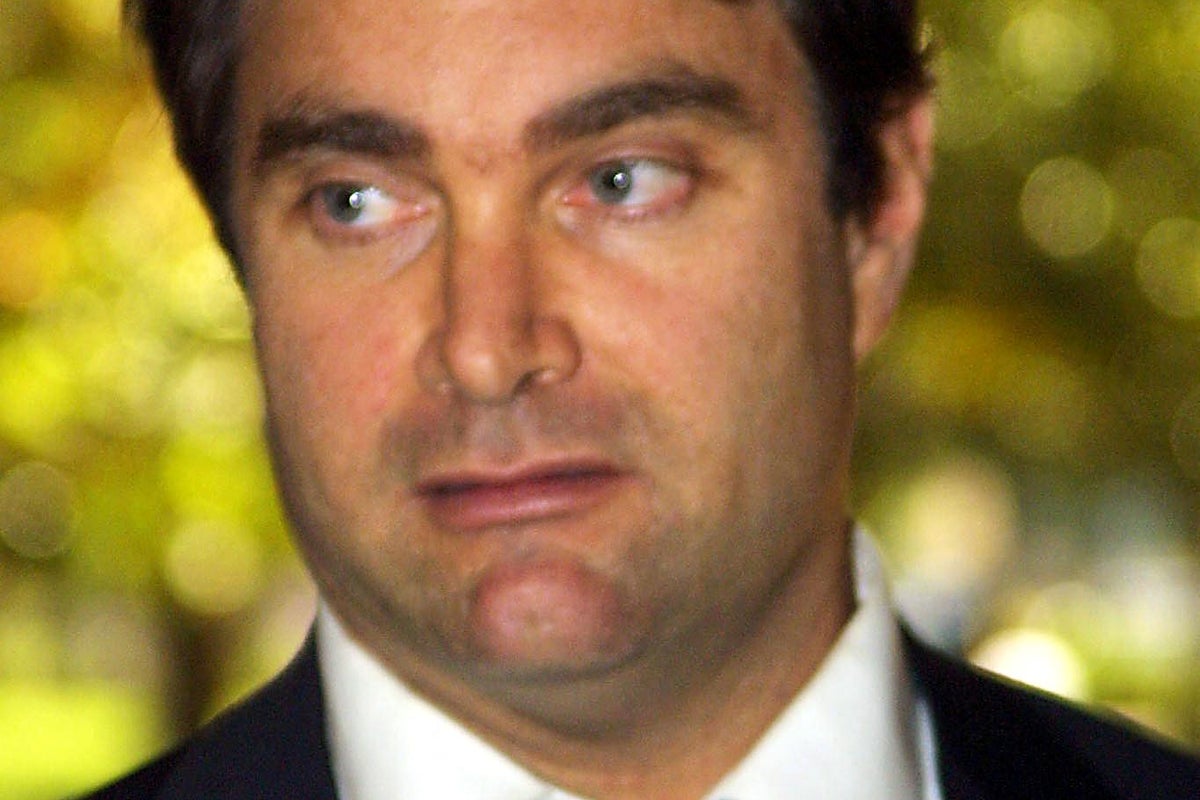
Max Factor heir and serial rapist freed after serving just 20 years of 124-year prison sentence
A local state assemblywoman has promised to seek enhanced protections for communities following news that convicted serial rapist Andrew Luster
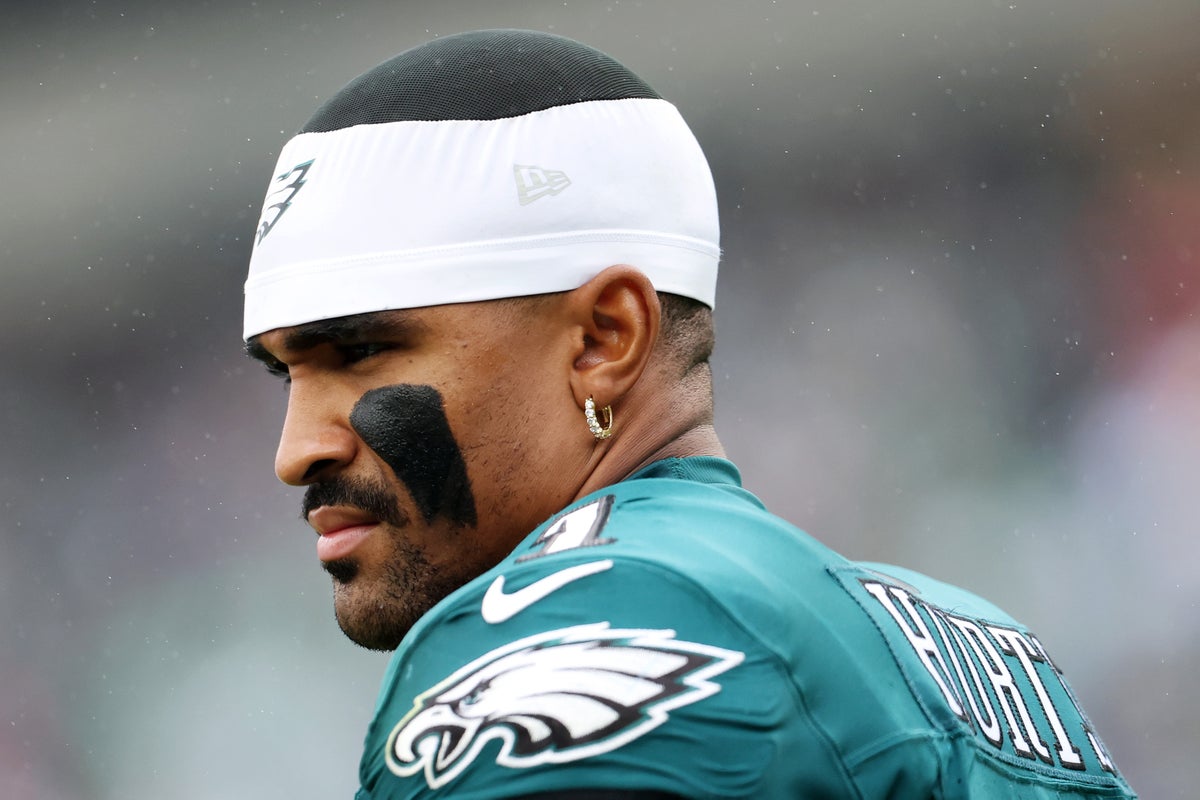
Eagles quarterback Jalen Hurts out for season after blood clots discovered on his lungs
The Eagles star is set to miss the remainder of the season as he focused on his recovery after taking blood thinners
Can This International Force Stop Haiti’s Gangs?
A new U.N.-backed military force is fighting to wrest control of the Haitian capital from violent gangs. Previous efforts by international troops failed to restore security. Can this one succeed?

Ex-US treasury secretary urges US, China to cooperate on AI de-risking
Ex-US treasury secretary urges US, China to cooperate on AI de-risking
Meta admits mistaken suspension of 'No Kings' Instagram account, cites Claude AI glitch
Meta admits mistaken suspension of 'No Kings' Instagram account, cites Claude AI glitchMeta has issued a formal apology after its automated security systems mistakenly suspended the Instagram account of the No Kings Coalition during nationwide protests.Demonstrators gathered at thousands of events...
Supreme Court won't review Trump's firing of labor board member
The court's action follows its June decision backing Trump's firing of Rebecca Slaughter, a Democratic Federal Trade Commission member.
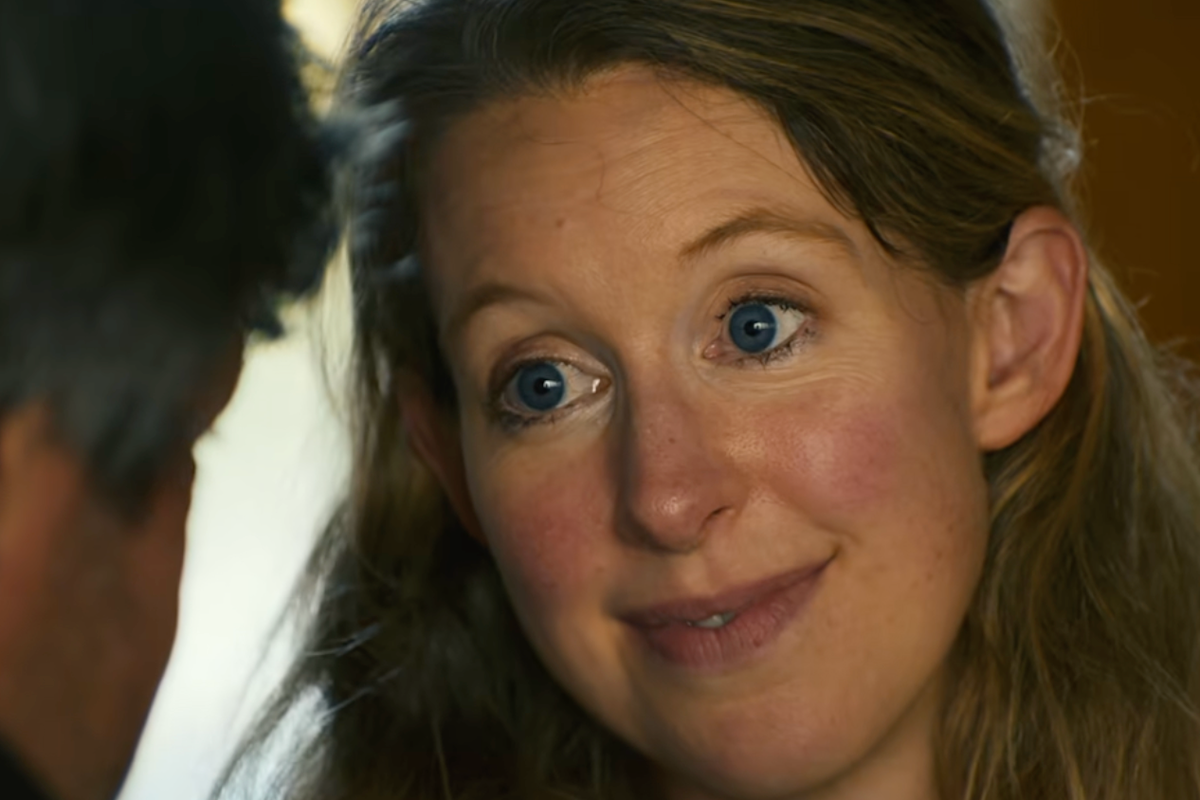
Nathan Fielder’s Elizabeth Holmes documentary has broken the brains of the Independent’s Culture desk
Have you recently left the movie theater reeling after seeing Nathan Fielder’s ‘You Can See Everything’? You are absolutely not alone. Here at ‘The Independent,’ debate about the documentary has taken over debate on the US culture desk. Here, four writers try to make sense of what they saw

'Police weren't overwhelmed by people protesting and marching' about education and cost of living
Oliver Farry is pleased to welcome Andrew Smith, Lecturer in Liberal Arts at Queen Mary University of London. France's escalating social unrest has exposed a troubling disconnect between legitimate popular grievances and the government's increasingly security-focused response. Smith argues that the violence accompanying otherwise largely peaceful demonstrations reveals serious failures of policing, while President Emmanuel Macron's response offers "very little of substance." Drawing parallels with France's historic protest movements, Smith identifies a "convergence of causes" rooted in economic insecurity, educational inequalities and political paralysis. He warns that a repressive response risks deepening the crisis, calling instead for a renewed commitment to "participatory social democracy."